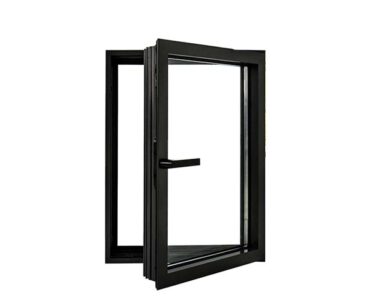
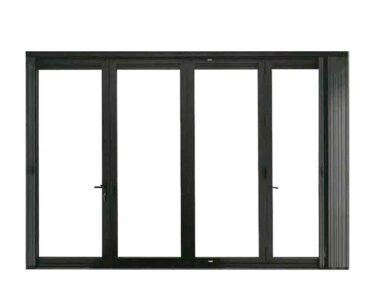
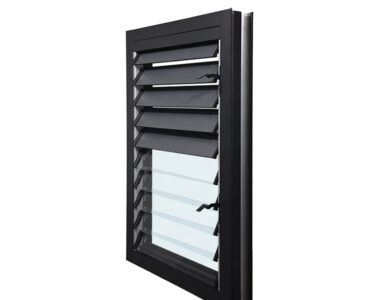
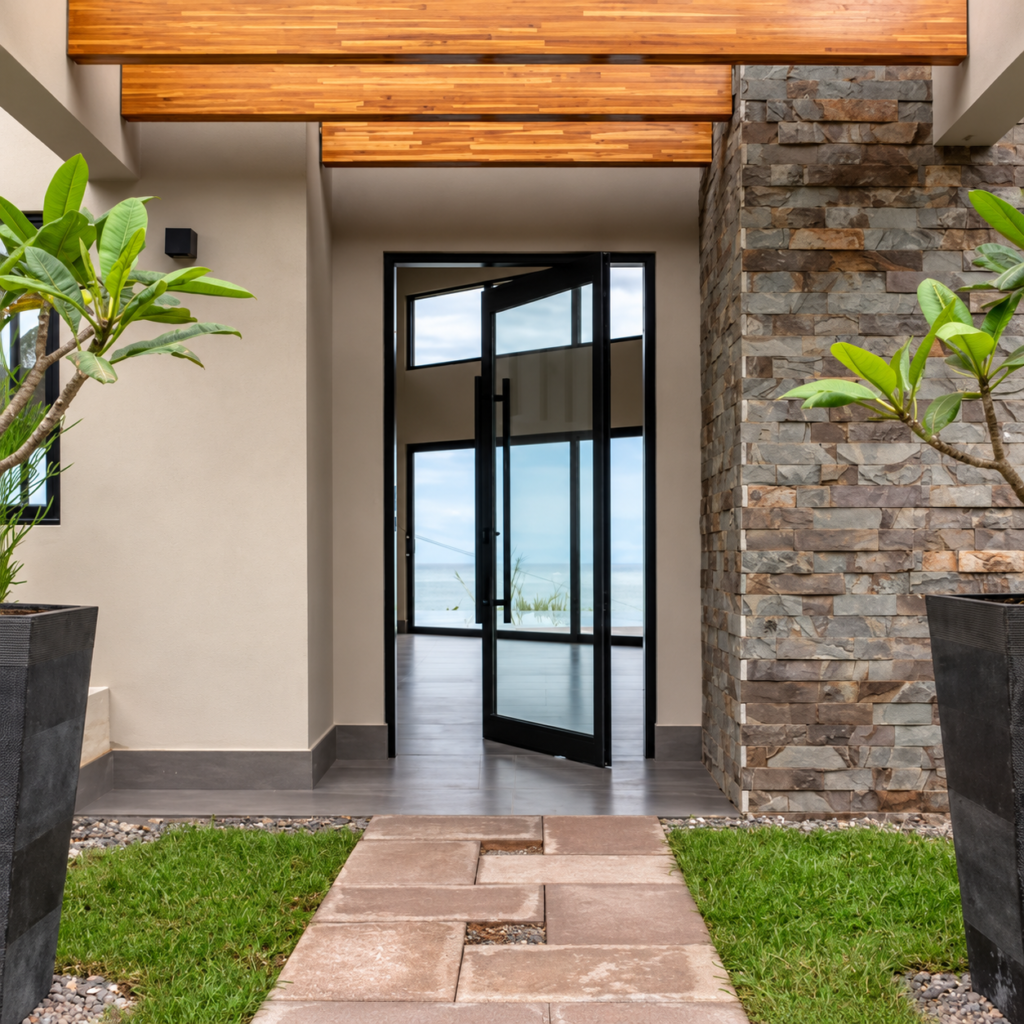
Start with the purpose of each opening rather than selecting every item by appearance. The six categories on this website are Windows, Doors, Impact Windows, Impact Doors, Architectural Products and Garage Doors. They cover different operating arrangements and building interfaces, so a coordinated schedule is more useful than a collection of unrelated photographs. List each opening, its location, dimensions, quantity and intended operation before requesting a proposal from a manufacturer or supplier.
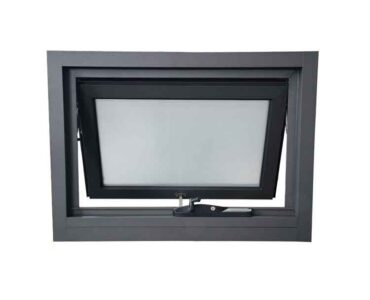
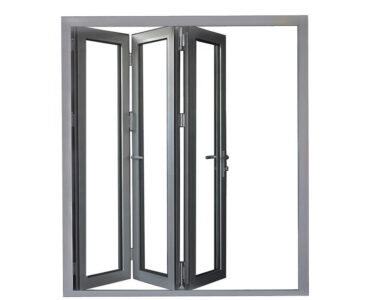
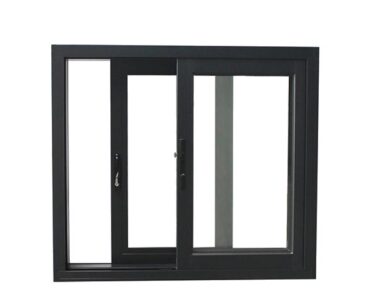
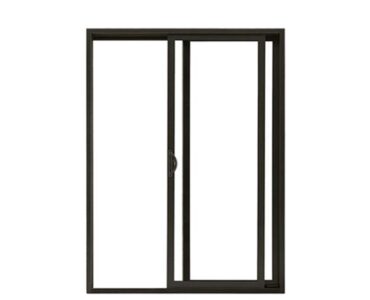
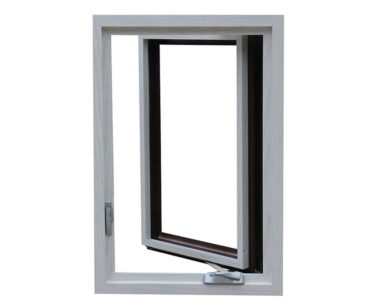
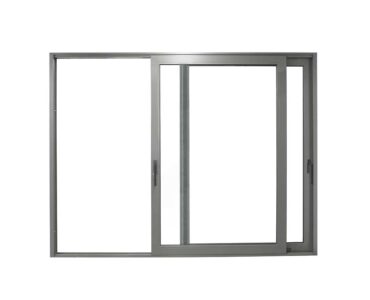
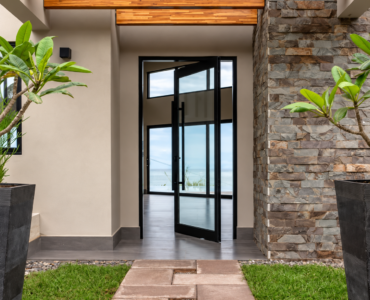
For windows, compare awning, bifold, casement, fixed, hung, single hung, sliding, specialty shape, tilt and turn, PTAC, hopper and bay arrangements, together with window wall configurations. Doors include accessible entrances, custom aluminium designs, folding, hinged, automatic, lift sliding, pivot, pet access, garden gate, louver and screen options. Impact products should be assessed against the proposed glazing, frame, anchorage and supporting test documentation. A product name alone does not establish performance for a particular building.
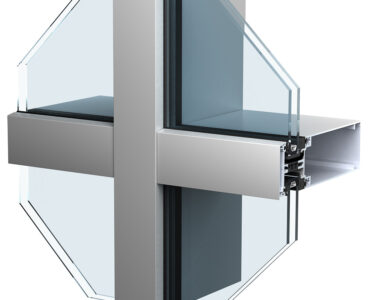
Architectural Products bring together aluminium clad wood openings, louvers or shutters, balustrades or handrails, curtain walls and UPVC windows and doors. Garage Doors cover glazed aluminium and panel arrangements. Custom combinations require attention to neighbouring finishes, structural support, waterproofing and everyday access. Customized dimensions should be recorded consistently so the factory can review the complete package rather than interpret conflicting notes.
When comparing offers from China, ask the exporter to identify what is included, which items require separate approval and how the products will be packed. Chinese supply proposals may describe different glass, hardware or finish options under similar names. Price comparisons should therefore use the same schedule and specification. Send drawings, photographs of unusual interfaces, delivery information and the required supporting documents. This helps clarify the proposal, identify unresolved details and organise the next technical review before any order is confirmed. Keep an agreed revision reference with the enquiry so later changes can be traced across every category.